general

Main components used in the water softener system

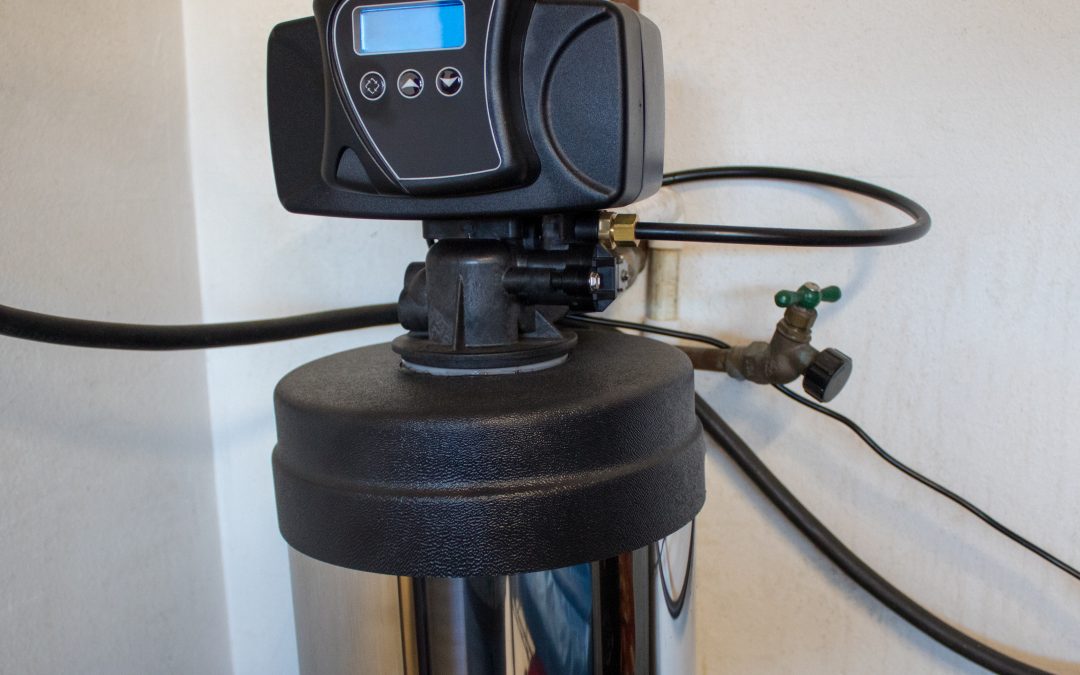
Water softeners consist of three components: a control valve, a mineral tank, and a brine tank. By removing minerals from hard water, monitoring the flow of water, and periodically cleaning the system, these three functions work together.

Mineral tank

Softening hard water takes place in the mineral tank. Water from the water supply line is fed into the tank. Calcium and magnesium ions in Best water softener are deposited on the resin beads as the water seeps through them. Flowing through your pipes and out to your household appliances, softened water leaves the tank.

Control valve

Control valves measure the amount of water flowing through the mineral tank and into your home. Water entering the mineral tank is tracked by a meter in the valve. The resin beads exchange sodium ions for hardness ions as hard water passes through the mineral tank. This reduces the resin’s capacity to continue to soften water over time.

Brine tank

Regeneration of the water softening system is assisted by the brine tank. The brine tank is short and lies adjacent to the mineral tank find more. The brine tank holds a highly concentrated solution of salt (or potassium, sometimes) that restores the resin beads’ positive charge. In the brine tank, salt is manually added as pellets or blocks. The salt dissolves in the water at the bottom of the tank. When the control valve detects that the resin’s softening capacity is diminishing, the heavy brine solution is drawn out of the tank and flushed through the resin in the mineral tank. A brine tank that runs out of salt will not soften water passing through the unit.
 

Health

The Most Common Reasons for Low Testosterone in Men

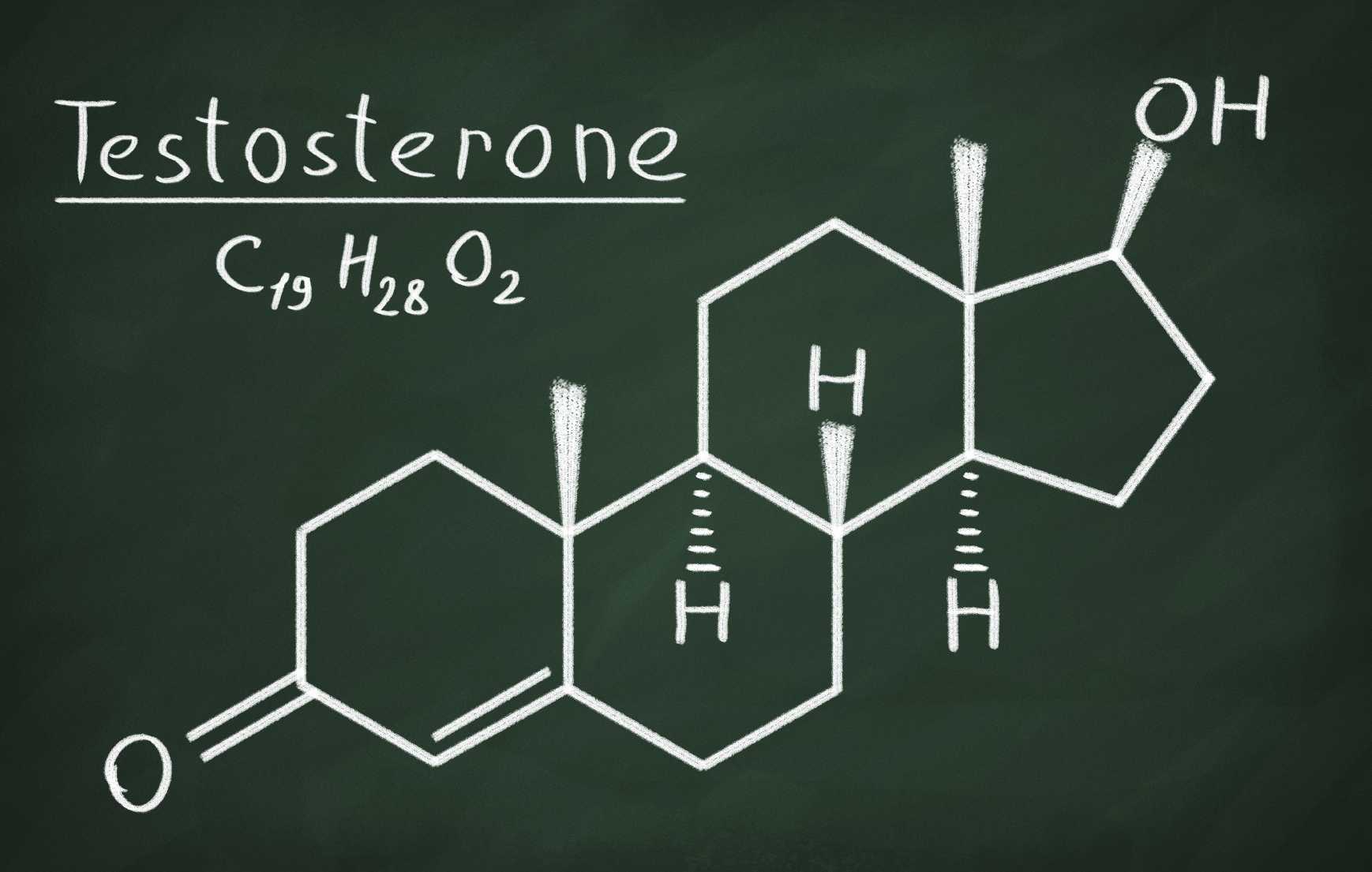
Testosterone in men is responsible for maintaining and developing muscle mass, sexual features, bone density, sense of well-being, adequate supply of red blood cells, and sexual and reproductive functions. With low testosterone, the person will experience side effects that may be harmful to their body. Luckily, knowing the various signs of low testosterone in men will quickly help you figure it out and find the proper medical solution. Low testosterone is also known as male hypogonadism. So if you want to know more about this condition, read on to find out.

How Common is Male Hypogonadism & What Causes It?

About 40% of men ages 40 years old and above are affected mainly by low testosterone. But it’s essential to keep in mind that it may be hard to define the normal testosterone levels since the levels vary throughout the day, and many factors may affect them. Some of these factors are body mass index, alcohol consumption, age, and illness. And as the man ages, their body’s testosterone level naturally drops. It will start at the age of 30 years old and continues for about 1% per year throughout a man’s life.

There are many potential causes for a sudden drop in testosterone. Some examples are trauma, injury, chemotherapy for cancer, metabolic disorders, tumors of the pituitary gland, certain medications, acute or chronic illnesses, alcohol abuse, and many more. These are just some of the common causes that you need to remember.

The Main Symptoms for Low Testosterone in Men

Once you experience low testosterone, you will also encounter some signs or symptoms. But it will depend on the age of the person who has it. These symptoms include low sex drive, erectile dysfunction, decreased sense of well-being, always depressed, having difficulties with concentration, moodiness, irritability, memory problems, and loss of muscular strength.

Aside from the changes above, there are additional symptoms that you might be experiencing. You might have a decrease in body hair, a decrease in hemoglobin or mild anemia, an increase in body fat, thinning of the bones, development of breasts, and infertility. So if you’re wondering why you have osteoporosis or anemia, better check your testosterone levels regularly.

Diagnosing Low Testosterone

You can be diagnosed with male hypogonadism by measuring your testosterone levels in the blood. So you’ll need to get a blood test done, and it may take several blood tests to know if you have low testosterone since it varies throughout the day. The highest levels will be in the morning, which is at 8 AM.