
Working in tight quarters presents unique risks and difficulties. These spaces, such as tanks, silos, tunnels, or manholes, present unique risks that require specialized knowledge and skills to mitigate. That’s where confined space training comes into play. Going through a confined space training program offers immense value to individuals and organizations by providing the necessary knowledge, techniques, and precautions to ensure safe operations in these environments. Let’s explore the significance of confined space training and why it is crucial for anyone working in such conditions.
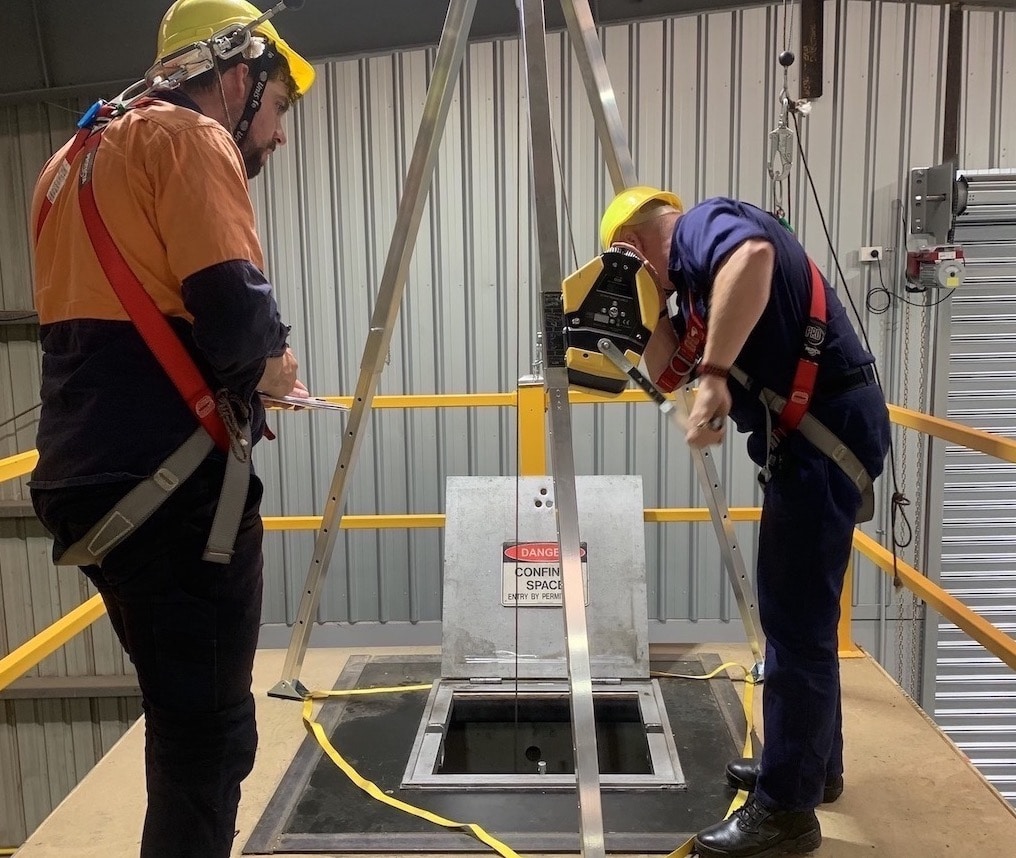
- Confined space training enhances safety. Confined spaces pose a range of potential dangers, including poor air quality, limited visibility, unstable structures, and the potential for entrapment or engulfment. By undergoing proper training, workers learn how to identify and assess these risks, implement effective control measures, and respond to emergencies. They become familiar with safety protocols, equipment usage, and rescue procedures specific to confined spaces. This knowledge and preparedness significantly reduces the likelihood of accidents, injuries, or fatalities, ensuring a safer working environment for everyone involved.
- confined space course also promote compliance with regulations and standards. Many countries have specific regulations in place to protect workers in confined spaces. These regulations often outline the required training and safety measures that must be followed. By investing in confined space training, organizations demonstrate their commitment to compliance and workplace safety. It helps ensure that all personnel involved in confined space work understand and adhere to legal requirements, avoiding potential penalties or legal consequences.
- Confined space training enhances efficiency and productivity. Workers who are properly trained in confined space operations are more competent and confident in their roles. They understand the potential hazards and how to navigate them safely. This knowledge enables them to work more efficiently, making informed decisions and taking appropriate precautions. It also reduces the need for constant supervision or guidance, allowing teams to work autonomously and complete tasks in a timely manner. This improved efficiency translates into increased productivity and cost savings for organizations.
- Confined space training lies in risk reduction. By equipping workers with the knowledge and skills to identify and control hazards, training helps minimize risks associated with confined space work. Employees learn how to assess the atmosphere, implement proper ventilation, use personal protective equipment (PPE), and implement effective communication protocols. They also become proficient in recognizing signs of potential dangers and taking corrective actions proactively.
- Confined space training fosters a safety culture within organizations. When employees receive comprehensive training and are aware of the risks involved in confined spaces, they become more safety-conscious. They prioritize their own well-being and the well-being of their colleagues.
Whether it’s for compliance with regulations or a commitment to employee safety, confined space training is an essential investment that yields significant returns in terms of safety, productivity, and overall operational excellence.