
Strengthen Strategic Planning Using PUBG Cheat Options Across Varied Gameplay Scenarios
Games

Strengthen Strategic Planning Using PUBG Cheat Options Across Varied Gameplay Scenarios

Match preparation becomes easier when players understand what information matters before making a move. Here pubg cheats may change the amount of visible information during different situations. However, useful planning still depends on reading surroundings carefully. Players searching for this topic usually want clearer ways to manage changing conditions. A simple structure can reduce rushed choices. Strengthen Strategic Planning Using PUBG Cheat Options Across Varied Gameplay Scenarios focuses on that planning process.

Good preparation means knowing what to observe before acting. Open areas demand different attention than enclosed spaces. Crowded moments can create several signals at once. Without a clear process, players may react too quickly or focus on the wrong detail. A planned approach keeps each decision easier to understand.

Building A Clear Decision Framework

A structured approach gives each situation a simple order. Players can observe the area first. They can then compare possible movement choices. This reduces dependence on quick guesses.

Important Points

  • Check nearby movement before changing your current position.
  • Compare visible routes before crossing exposed ground.
  • Watch separate directions during crowded encounters carefully.
  • Review surrounding cover before committing to movement.

A clear order helps reduce confusion when conditions change suddenly.

pubg cheats

Comparing Conditions Before Acting

Different surroundings create different viewing needs. Open ground provides fewer protective options. Buildings create narrow sightlines and hidden corners. Covered areas may limit what can be seen at distance. A planned approach helps players adjust their attention based on surroundings. When pubg cheats provide additional visual information, players still need to judge whether that information matters immediately. Extra details do not remove the need for timing or careful positioning.

Situation Main Concern Useful Planning Step Possible Limitation
Open ground Limited protection Check movement before crossing Exposure can increase quickly
Enclosed space Hidden angles Review corners before advancing Visibility remains restricted
Crowded encounter Several directions Separate nearby movement signals Attention can become divided
Changing position New surroundings Recheck nearby areas Previous information may become outdated
Restricted area Fewer routes Compare available paths Choices may become limited

Learning from Repeated Match Conditions

Repeated situations can reveal useful patterns. Players may notice that certain surroundings require closer checks. They may also recognise moments when rushing creates poor choices. Reviewing these patterns helps build a more consistent routine. The limitation is that no two encounters remain the same. A useful habit should guide decisions without becoming a rigid rule.

Practical Questions Players Often Ask

  • Do extra visual details guarantee better decisions? Players still need timing, positioning, and careful judgment.
  • Should every visible movement receive immediate attention? Focus should remain on activity that affects the current situation.
  • Why does planning matter in open areas?Open spaces provide fewer protective options during movement.
  • How should players handle crowded encounters?Separate nearby signals and review the most relevant direction first.
  • Can one viewing routine work everywhere?Not always. Buildings and open spaces require different attention.
  • What helps improve repeated decision making?Reviewing mistakes and keeping useful habits consistent can help.

Clear Thinking Supports Better Execution

Good planning is not about reacting to every available detail. It is about selecting information that matters for the current moment. Players should compare surroundings before changing position. They should also review conditions after movement. This keeps decisions grounded in what is actually happening.

How Dental Implants Can Restore Your Confidence in Social and Professional Settings
Dental

How Dental Implants Can Restore Your Confidence in Social and Professional Settings

Understanding the Impact of Missing Teeth on Daily Life

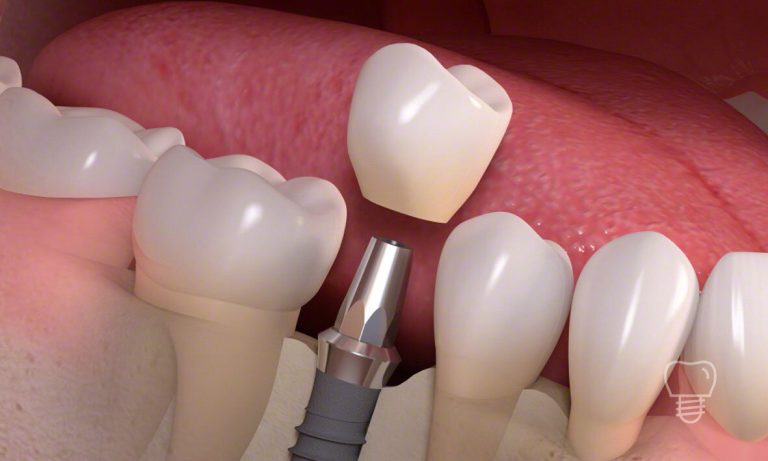
The absence of one or more teeth can have far-reaching consequences that extend well beyond oral health. Many individuals find themselves withdrawing from social situations, covering their mouths when speaking, or avoiding certain foods in public settings. These seemingly small adjustments can accumulate over time, leading to a significant impact on one’s quality of life and self-perception. However, dental implants Hawthorn can address such issues by creating a natural looking smile.

In professional environments, the ability to communicate clearly and present oneself confidently plays a crucial role in career advancement and workplace relationships. When dental concerns create hesitation or self-consciousness, they can inadvertently affect professional interactions, from presentations to client meetings. The psychological burden of dental imperfections often manifests in ways that individuals might not immediately recognise as being connected to their oral health.

The Psychological Benefits of Dental Restoration

Modern dental solutions have evolved considerably, offering individuals the opportunity to address missing teeth with approaches that closely mimic natural dentition. Dental implants provide represent one such advancement, offering a permanent solution that integrates with the jawbone to create a stable foundation for replacement teeth.

Research has consistently demonstrated the connection between oral health restoration and improved psychological wellbeing. Studies examining quality of life improvements following dental implant treatment have shown measurable increases in self-esteem and social confidence amongst patients who have undergone the procedure. These improvements often translate into tangible changes in behaviour, with individuals reporting increased willingness to engage in social activities they had previously avoided.

Social Interactions and Personal Relationships

Overcoming Self-Consciousness in Social Settings

The return to unrestricted social participation represents one of the most valued outcomes for individuals who address their dental concerns. Whether attending family gatherings, dining with friends, or participating in community events, the freedom to smile and speak without hesitation can transform the social experience. This renewed confidence often creates a positive feedback loop, where increased social engagement further reinforces feelings of self-assurance.

The Role of Non-Verbal Communication

Smiling serves as a fundamental component of human interaction, conveying warmth, approachability, and engagement. When individuals feel uncomfortable with their dental appearance, they may unconsciously limit their facial expressions, potentially creating barriers in their relationships. The restoration of a complete smile allows for more natural and authentic non-verbal communication, facilitating stronger interpersonal connections.

Professional Advantages of Restored Dental Confidence

First Impressions in the Workplace

The professional sphere places considerable emphasis on presentation and communication skills. During interviews, networking events, or client-facing roles, the ability to project confidence can influence outcomes in meaningful ways. Individuals who feel secure in their appearance are more likely to speak assertively, maintain eye contact, and engage fully in professional discourse. These subtle yet significant factors contribute to how one is perceived by colleagues, supervisors, and clients alike.

Career Progression and Workplace Dynamics

Beyond initial impressions, ongoing professional relationships benefit from the confidence that comes with dental restoration. Public speaking, team meetings, and collaborative projects all require clear communication and self-assurance. When dental concerns no longer occupy mental space, individuals can focus their energy on the tasks at hand, contributing more fully to their professional environments.

Long-Term Considerations for Oral Health

The decision to pursue dental implants providers and elsewhere offer extends beyond aesthetic considerations. Research on patient satisfaction and functional outcomes indicates that individuals experience improvements in their ability to eat comfortably, speak clearly, and maintain overall oral health. Unlike some temporary solutions, this approach provides stability that supports long-term wellbeing.

The integration of dental implants with the jawbone also helps preserve facial structure, preventing the bone loss that can occur following tooth extraction. This preservation contributes to maintaining natural facial contours, which plays a role in how individuals perceive their own appearance over time. Clinical evidence regarding implant success rates and patient outcomes continues to support this approach as a viable option for those seeking comprehensive dental restoration.

Moving Forward with Renewed Confidence

The journey towards restored dental confidence represents an investment in both physical health and psychological wellbeing. For individuals who have experienced the limitations imposed by missing teeth, the transformation extends into multiple aspects of daily life. From social gatherings to professional achievements, the ability to engage fully without self-consciousness opens doors that may have previously seemed closed. As dental technology continues to advance, more individuals find themselves able to reclaim the confidence that supports a fulfilling personal and professional life.

Bone Repair Mechanisms Explained Through Collagen, Blood Flow, And Inflammation
Health

Bone Repair Mechanisms Explained Through Collagen, Blood Flow, And Inflammation

A fracture starts a repair sequence before movement resumes. Blood escapes from damaged vessels, forming an early clot. Soon, immune activity clears broken tissue and debris. At this stage, collagen repair gives developing tissue a flexible framework. Blood flow then supplies oxygen and nutrients for rebuilding. Together, these responses guide damaged bone toward renewed strength.

A Blood Clot Begins Bone Healing

Right after injury, bleeding creates a soft protective clot. That clot gathers around broken bone surfaces. Platelets release signals that attract repair cells. Soon, immune cells begin clearing damaged tissue. This cleanup gives rebuilding cells room to work. The early clot also provides temporary support around the fracture.

  • Platelets release signals for nearby repair cells.
  • Immune cells remove damaged tissue fragments.
  • Fresh vessels begin developing around the injury.
  • Repair cells enter the forming tissue.

Blood Flow Supplies Essential Healing Materials

Good circulation keeps reconstruction moving at the fracture. Blood carries oxygen toward active repair cells. Nutrients also support new tissue production and growth. As vessels develop, additional cells reach the injured region. Without sufficient circulation, tissue formation can slow considerably. A poorly supplied fracture therefore faces a harder healing path.

Collagen Forms A Flexible Repair Framework

As early tissue develops, fibroblasts produce collagen fibers. Those fibers create a flexible framework around broken bone. Next, bone-forming cells begin adding mineral material. This changes soft tissue into a firmer callus. In practical terms, collagen repair provides the framework for mineral growth. The process resembles scaffolding supporting construction before walls become solid.

Why Does Inflammation Matter During Recovery?

Inflammation arrives soon after the fracture occurs. Its first role involves clearing damaged cells and debris. Chemical signals then guide useful cells toward the injury. That activity supports new vessels and tissue formation. However, prolonged inflammation can disturb normal reconstruction. Healing therefore depends on inflammation rising before gradually settling.

  • Immune cells clear unwanted cellular debris.
  • Chemical signals guide rebuilding cells.
  • Blood vessels support developing repair tissue.
  • The inflammatory response later begins resolving.

Remodeling Gives Healing Bone Greater Strength

A hard callus forms as minerals build across collagen. Yet this early structure does not match mature bone. Specialized cells then remove excess material from weaker areas. Other cells replace it with stronger tissue. Physical activity also provides signals about structural demands. Over time, remodeling shapes the repaired region more precisely.

Bone Healing Depends On Careful Timing

Each stage prepares conditions for the next. The initial clot supports early cellular activity. Blood vessels then improve access to oxygen and nutrients. Collagen provides a framework for mineral deposition. Inflammation coordinates cleanup and cellular signaling. Remodeling later adjusts the repaired structure. Together, these events turn temporary repair into lasting strength.

The Fracture Site Becomes A Living Blueprint

Bone repair follows a sequence rather than one isolated event. The early clot creates temporary support for cellular activity. Blood flow then sustains the growing repair environment. Later, remodeling changes that temporary structure into stronger bone. The important insight lies in timing: each biological response prepares conditions for the next.

Different Peptides Show Varying Levels Of Research For Hair Growth
Shopping

Different Peptides Show Varying Levels Of Research For Hair Growth

Hair growth involves several natural processes that influence follicle activity over time. Peptides receive scientific attention because some short protein fragments may affect signals connected with cellular functions. However, available research is not equally strong for every compound. Some findings remain preliminary while others have received broader investigation. Understanding these differences can provide useful context when exploring best peptides for hair growth results.

Research Strength Differs By Compound

Scientific attention varies between individual compounds. Some have been examined through laboratory research focused on follicle-related activity. Others have only limited evidence available for review. This creates differences in how confidently their possible effects can be understood. Looking at research depth provides a clearer picture of current scientific knowledge.

Current Evidence Remains Uneven

Available research does not provide the same level of support across every compound. Several factors can help indicate whether findings deserve greater confidence:

  • Human research offers stronger evidence about actual outcomes.
  • Larger participant groups can make findings more dependable.
  • Extended observation may reveal changes missed earlier.
  • Consistent testing methods support clearer comparisons between investigations.
  • Repeated findings can strengthen confidence in scientific observations.

Research gaps still matter because unanswered questions can limit firm conclusions. Future investigations may provide clearer information about follicle activity and biological responses. Until stronger evidence becomes available, early findings should be viewed with appropriate caution.

best peptides for hair growth results

Follicle Activity Receives Research Attention

Hair follicles rely on signals that guide their natural growth cycles. Researchers examine certain compounds to understand whether they can influence these biological signals. Laboratory observations may reveal useful information about cellular responses. However, such findings do not automatically show that similar outcomes will occur in people. Further investigation is needed before strong conclusions can be supported.

Evidence Varies Across Study Types

Different research methods can provide different levels of information. Laboratory testing may show how a compound interacts with specific cells. Animal studies can offer additional clues about biological activity. Human research generally provides more relevant evidence about actual outcomes. Comparing these study types helps explain why some claims have stronger support than others.

Research Findings Need Careful Reading

Scientific findings require careful interpretation because early results can change as new evidence develops. A laboratory observation may suggest an interesting possibility without proving a clear outcome. Researchers also consider whether findings can be repeated under suitable conditions. Reliable evidence can provide a stronger basis for understanding best peptides for hair growth results.

A balanced view depends on understanding how strongly each compound has been studied. Stronger human research can provide greater confidence than preliminary laboratory observations. Careful evaluation allows promising findings to remain distinct from claims that still require additional scientific support.