
Understanding the Impact of Missing Teeth on Daily Life
The absence of one or more teeth can have far-reaching consequences that extend well beyond oral health. Many individuals find themselves withdrawing from social situations, covering their mouths when speaking, or avoiding certain foods in public settings. These seemingly small adjustments can accumulate over time, leading to a significant impact on one’s quality of life and self-perception. However, dental implants Hawthorn can address such issues by creating a natural looking smile.
In professional environments, the ability to communicate clearly and present oneself confidently plays a crucial role in career advancement and workplace relationships. When dental concerns create hesitation or self-consciousness, they can inadvertently affect professional interactions, from presentations to client meetings. The psychological burden of dental imperfections often manifests in ways that individuals might not immediately recognise as being connected to their oral health.
The Psychological Benefits of Dental Restoration
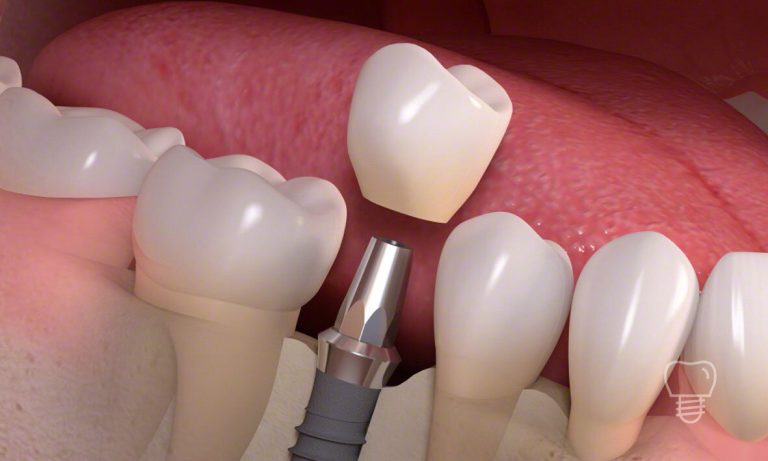
Modern dental solutions have evolved considerably, offering individuals the opportunity to address missing teeth with approaches that closely mimic natural dentition. Dental implants provide represent one such advancement, offering a permanent solution that integrates with the jawbone to create a stable foundation for replacement teeth.
Research has consistently demonstrated the connection between oral health restoration and improved psychological wellbeing. Studies examining quality of life improvements following dental implant treatment have shown measurable increases in self-esteem and social confidence amongst patients who have undergone the procedure. These improvements often translate into tangible changes in behaviour, with individuals reporting increased willingness to engage in social activities they had previously avoided.
Social Interactions and Personal Relationships
Overcoming Self-Consciousness in Social Settings
The return to unrestricted social participation represents one of the most valued outcomes for individuals who address their dental concerns. Whether attending family gatherings, dining with friends, or participating in community events, the freedom to smile and speak without hesitation can transform the social experience. This renewed confidence often creates a positive feedback loop, where increased social engagement further reinforces feelings of self-assurance.
The Role of Non-Verbal Communication
Smiling serves as a fundamental component of human interaction, conveying warmth, approachability, and engagement. When individuals feel uncomfortable with their dental appearance, they may unconsciously limit their facial expressions, potentially creating barriers in their relationships. The restoration of a complete smile allows for more natural and authentic non-verbal communication, facilitating stronger interpersonal connections.
Professional Advantages of Restored Dental Confidence
First Impressions in the Workplace
The professional sphere places considerable emphasis on presentation and communication skills. During interviews, networking events, or client-facing roles, the ability to project confidence can influence outcomes in meaningful ways. Individuals who feel secure in their appearance are more likely to speak assertively, maintain eye contact, and engage fully in professional discourse. These subtle yet significant factors contribute to how one is perceived by colleagues, supervisors, and clients alike.
Career Progression and Workplace Dynamics
Beyond initial impressions, ongoing professional relationships benefit from the confidence that comes with dental restoration. Public speaking, team meetings, and collaborative projects all require clear communication and self-assurance. When dental concerns no longer occupy mental space, individuals can focus their energy on the tasks at hand, contributing more fully to their professional environments.
Long-Term Considerations for Oral Health
The decision to pursue dental implants providers and elsewhere offer extends beyond aesthetic considerations. Research on patient satisfaction and functional outcomes indicates that individuals experience improvements in their ability to eat comfortably, speak clearly, and maintain overall oral health. Unlike some temporary solutions, this approach provides stability that supports long-term wellbeing.
The integration of dental implants with the jawbone also helps preserve facial structure, preventing the bone loss that can occur following tooth extraction. This preservation contributes to maintaining natural facial contours, which plays a role in how individuals perceive their own appearance over time. Clinical evidence regarding implant success rates and patient outcomes continues to support this approach as a viable option for those seeking comprehensive dental restoration.
Moving Forward with Renewed Confidence
The journey towards restored dental confidence represents an investment in both physical health and psychological wellbeing. For individuals who have experienced the limitations imposed by missing teeth, the transformation extends into multiple aspects of daily life. From social gatherings to professional achievements, the ability to engage fully without self-consciousness opens doors that may have previously seemed closed. As dental technology continues to advance, more individuals find themselves able to reclaim the confidence that supports a fulfilling personal and professional life.